How recommerce is reshaping ecommerce
Feature
Monica Trabjerg Balle
Monica Trabjerg Balle was Head of ecommerce at Roccamore — a Copenhagen brand making handmade shoes — when recommerce came onto her radar not as a sustainability exercise, but as a commercial decision. As Chief Commercial Officer at Create2Stay, she now builds those circular models for brands across Denmark and Europe. This episode is an unusually practical account of what recommerce looks like at the operational level: who does what, how the data flows, and what the numbers actually show.
The Roccamore case is the clearest illustration. A customer wanting to trade in a pair of shoes logs into the website, finds their order, sees the reward they will receive — a discount voucher or loyalty points — and gets a prepaid QR code. The shoe arrives at the Create2Stay warehouse. The team grades it, cleans it, photographs it, gives it a new SKU derived from the original product metadata, and lists it in the Roccamore store at a pre-set percentage of the new price. The buyer gets the shoe shipped in Roccamore-branded packaging with postcards and stickers. They never know Create2Stay was involved.
The numbers that came back from that programme changed the frame. Forty-two percent of all secondhand purchases at Roccamore were made by customers who had never bought from the brand before. Return rates on secondhand items ran at roughly half the rate of new products. When someone buys secondhand, Monica's read is simple: they really wanted that specific item. The buyer is already a brand ambassador before the first order lands.
Recommerce is also opening channels that brands previously could not access. Wholesale-only brands — those selling through Boozt or Zalando with no direct-to-consumer relationship — are using take-back programmes to pull customers into their own platform for the first time, capturing email addresses and consent they would never otherwise collect. And in physical stores, the same logic applies. Monica's argument throughout is the same: this is not a CSR initiative. It is a revenue channel that also happens to be the right thing to do.
Chapters
Jump to a moment
Key takeaways
Three things to take from this conversation
42% of secondhand buyers at Roccamore were brand new customers
Recommerce is not just a loyalty play — it is one of the most cost-effective acquisition channels a brand can run. A customer who comes in through secondhand already wants the brand. The return rate is half that of new products. The loyalty curve is steeper from the very first order.
Take-back programmes give wholesale brands a direct channel
Brands that sell exclusively through Boozt or Zalando have no direct relationship with their end customer. A take-back programme changes that. The customer logs into the brand's own platform to trade in their item — regardless of where they originally bought it — and the brand captures the email, the consent, and the relationship for the first time.
The brand experience must feel first-class even for a secondhand purchase
At Create2Stay, every item is cleaned, graded, photographed, and repaired if needed before relisting. The outbound package carries the brand's own tissue paper, stickers, and postcard. The buyer never knows the item came from a third-party warehouse. That deliberate quality of experience is what drives the low return rates and high repeat purchase on secondhand orders.
Companion article
A shoe comes back: Recommerce as a revenue channel
Read the article →The guest
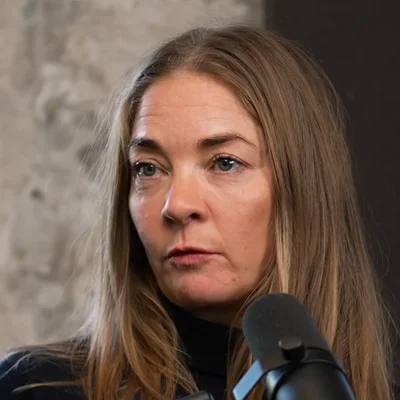
About Monica Trabjerg Balle

Monica Trabjerg Balle
CCO · Create2Stay
Formerly Head of ecommerce, Roccamore
Monica Trabjerg Balle is Chief Commercial Officer at Create2Stay, a Scandinavian platform that builds recommerce solutions for fashion and lifestyle brands. Before Create2Stay, she was Head of ecommerce at Roccamore, where she launched one of Denmark's first brand-owned take-back programmes. She now works across 30+ brands to build circular commerce infrastructure that drives revenue, not just sustainability reports.
View on LinkedIn