
The importance of company DNA
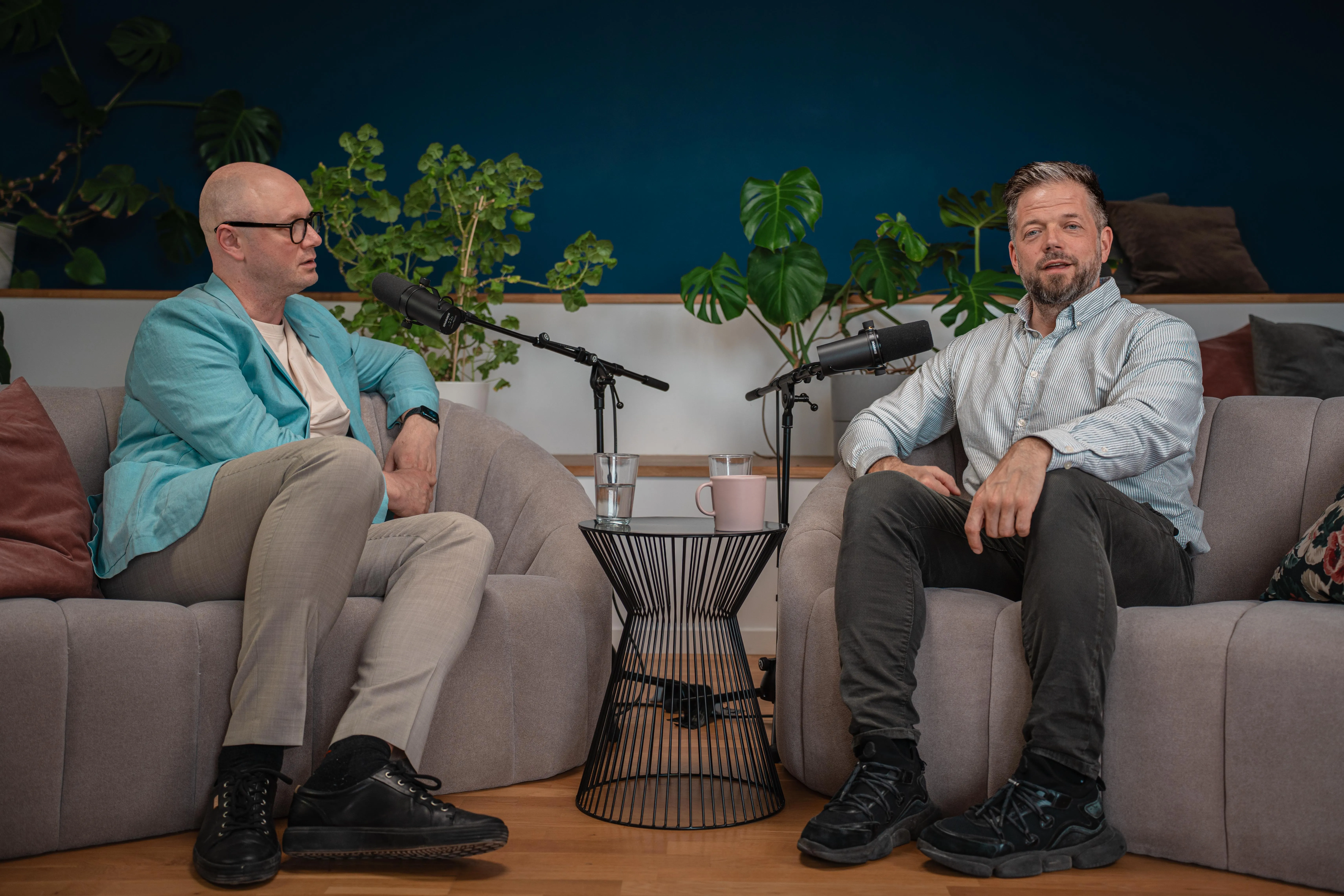
Eleven years ago, Morten Grabowski Kjær was a police officer. His wife was a store manager. They’d just become parents to twins and discovered a gap in the market that was simple to describe but hard to solve: they couldn’t find a single webshop that carried all the right things.
Not more things. The right things.
Morten is the co-founder of Luksusbaby, one of Scandinavia’s most recognisable online retailers for curated children’s fashion. He’s since stepped back from daily operations (his wife Louise is now CEO) and he joined us at Hello Retail to talk about what 11 years of obsessive customer focus actually builds, what it costs to scale it, and why he keeps coming back to the same word: DNA.
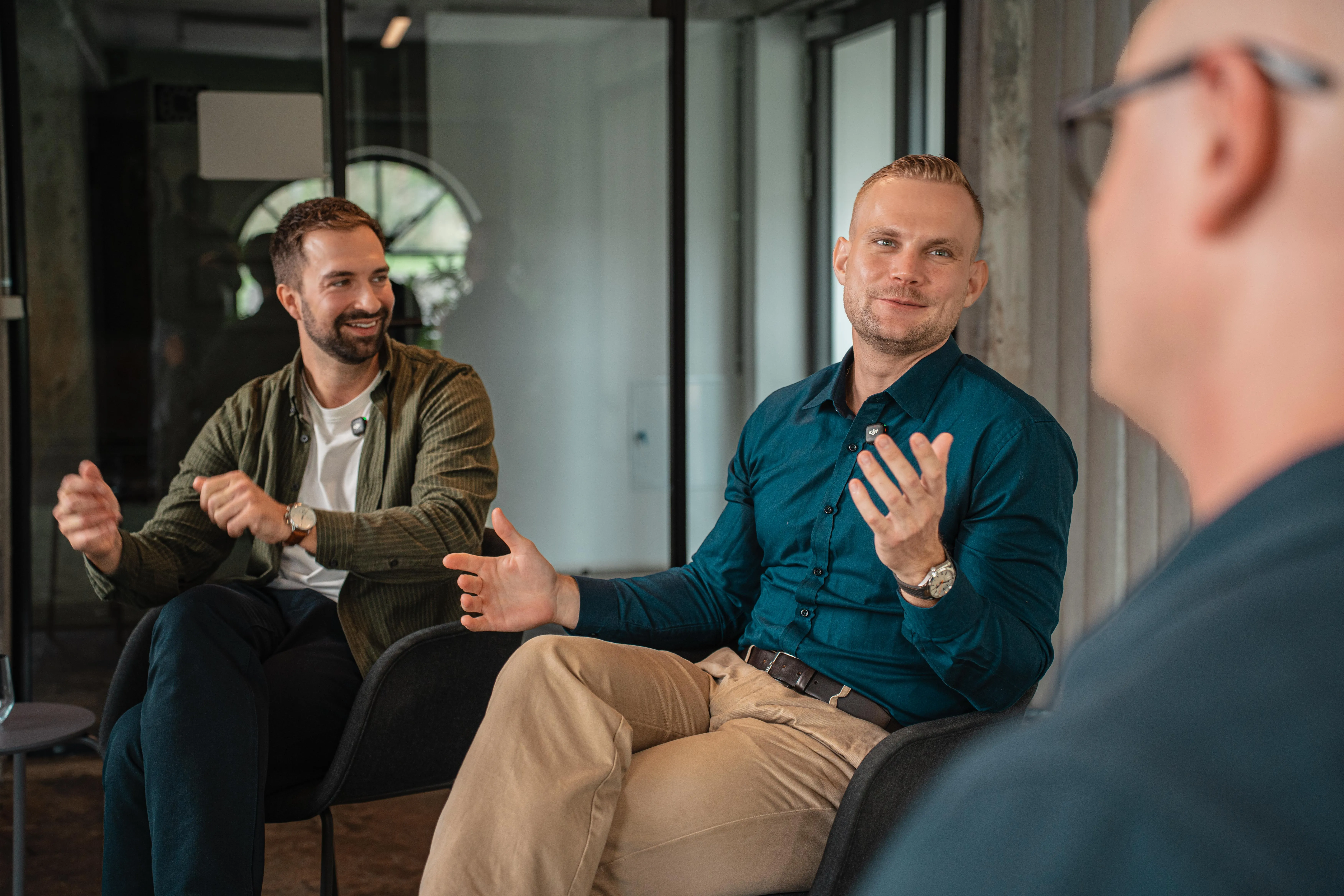
We sat down with Morten as part of our Hello Retail Conversations series, unscripted conversations with people shaping how ecommerce works.
Watch the full conversation with Morten here →
The 20 right body stockings
The founding insight behind Luksusbaby is one of those things that sounds obvious once you hear it.
Zalando had everything. That was the problem.
When Morten’s wife pointed out that Zalando felt too big to shop at, it became the seed of a different kind of business.
“If you want to buy body stockings, then you have maybe thousands of different body stockings to choose between. We wanted to just have maybe 20 of the right ones, the right colors, the right qualities.”
Morten Grabowski Kjær
Not a niche play, not a premium positioning. An editorial one. The job was to make the decisions for the customer: to have already filtered the world down to the brands and products that actually belonged together in one place.
That curation instinct shaped everything that followed. When Morten talks about stocking decisions, he doesn’t start with data. He talks about his wife having an eye for which brands were going to become something, before there was any data to support it. Kongslyd, Liewood: Luksusbaby was there early, because someone was paying close enough attention to notice.
Customer service as the actual moat
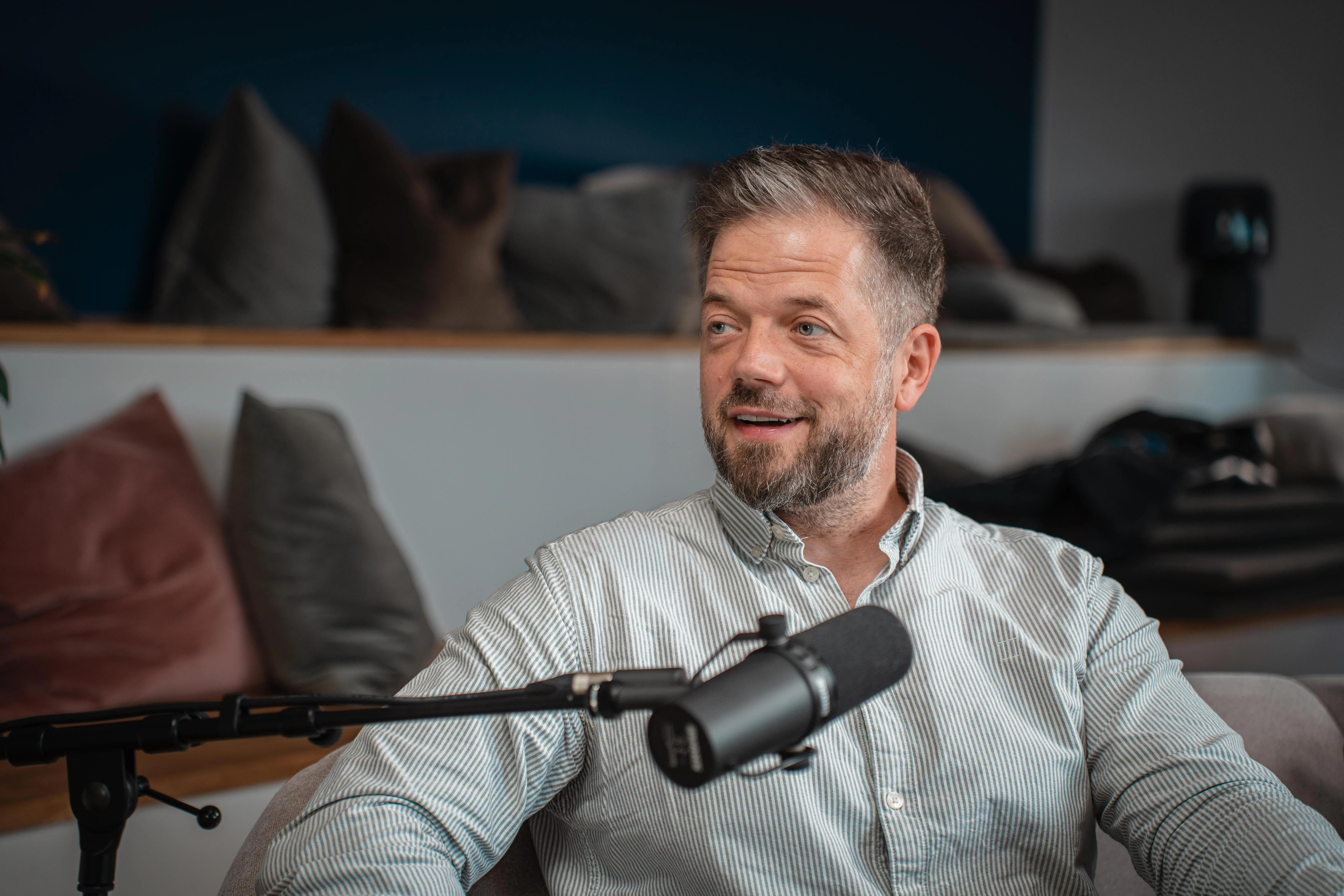
If the curation was what got customers through the door, customer service is what kept them coming back.
Luksusbaby set their customer service hours from 7 AM to 10 or 11 PM, because that’s when parents are actually online.
“We always had customer service from seven o’clock to ten or eleven o’clock in the night. We want to be there when the customer needed us.”
Morten Grabowski Kjær
The same thinking extended into the fulfillment process. For years, every order that left Luksusbaby included a handwritten note addressed to the customer by name, referencing the specific product they’d bought. At 1,000 orders a day, that meant a team of seven people writing personal notes every single day. When the operation eventually outgrew handwritten cards, the replacement wasn’t a printed insert. It was a QR code that played a short personalized video message.
The Korea story is the clearest illustration of how far this philosophy went. Morten noticed a cluster of orders coming in from South Korea with no obvious explanation. Rather than ignore it, he hired a Korean employee whose only job for two months was to call those customers and understand them.
“She did nothing else but two months, just talked to Korean customers. And you just developed it. It’s a very interesting market today.”
Morten Grabowski Kjær
A market built from a handful of unexplained orders, by picking up the phone.
Finding the right people
The hardest part of building a customer service culture, Morten says, isn’t the training. It’s finding the people who actually believe it.
“We needed to find the customer stars, the people who just thought that anything wasn’t good enough for the customers.”
Morten Grabowski Kjær
That’s a narrow filter. Most people are fine at customer service. Very few have the temperament where every interaction matters personally. And Morten is clear that the standard can’t stop at the shoppers. It has to apply internally too.
“We can’t just have glad customers, we need glad employees as well. Have a great culture at the company as well. So it has to be a great place to work.”
Morten Grabowski Kjær
When structure becomes unavoidable
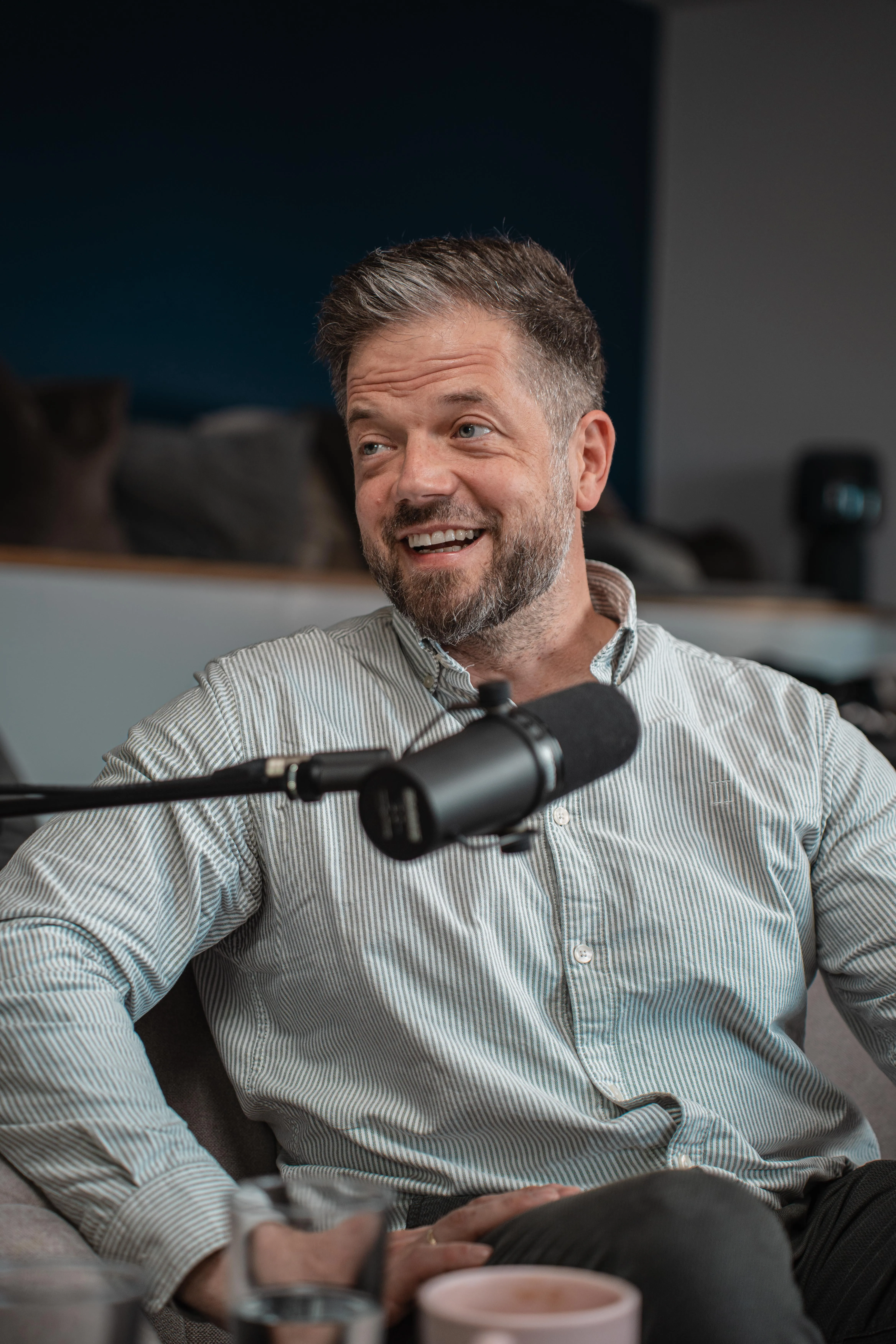
For the first decade, Luksusbaby ran on momentum. No five-year plan. No formal departments. Just two founders and a growing team doing everything themselves.
By the time they reached 200 employees, the cracks were showing.
“Everything was on my and my wife’s shoulders. We needed to have the right structure of the company.”
Morten Grabowski Kjær
Selling a stake to CoolShop brought the things momentum alone can’t provide: a board, a formal org structure, proper department heads, and the ability to make major system decisions from a plan rather than instinct. Last year, Luksusbaby replaced every major platform simultaneously: new webshop, new ERP, new PIM system. Three years of difficult transition, but the payoff is the foundation that now exists.
Morten doesn’t describe the past three years as a growth story. He describes them as the conditions that make growth possible.
“Now I can see it’s a business who can become quite big now.”
Morten Grabowski Kjær
A different kind of leadership
Something Morten returns to several times is what it means to lead well today, and how different it is from 14 years ago.
“It’s not the same to be a leader nowadays as it was 14 years ago. It’s okay to be vulnerable and to show your feelings. That’s the new way of viewing things, to be more authentic for the employees.”
Morten Grabowski Kjær
This comes up in the context of company DNA, but it’s also a statement about the labor market. The employees Luksusbaby needs to attract (people who care enough to write 1,000 personal notes a day) are not going to stay somewhere where authenticity is treated as a liability.
What’s changing right now
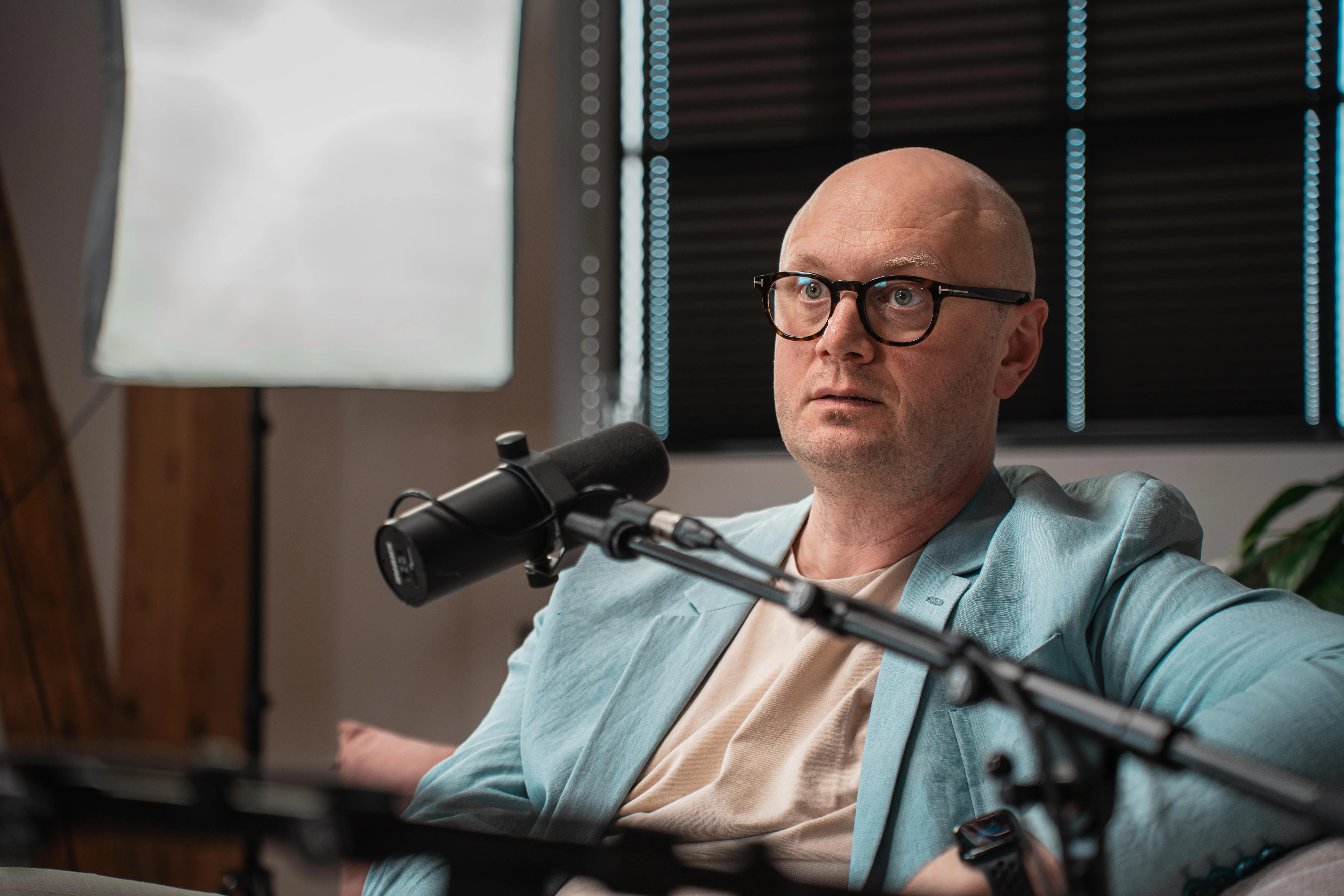
When we asked Morten what he’s watching in ecommerce today, meaning right now and not the future, he came back to two things.
The first was branding. Luksusbaby has recently renewed its focus on letting customers understand who the company is: the products and also the people behind it, what they do on a Friday, how they celebrate. The brand working to become known the way a person becomes known.
The second was retail media, allowing brands to buy placements inside Luksusbaby’s own store. It’s been on the radar for a while. The hesitation is about fit: any retail media concept needs to protect the relationships with the brands they stock, not commoditise them.
“It needs to follow the same DNA as everything else we do.”
Morten Grabowski Kjær
Sustainability is also moving closer to the front. With children’s clothes, the pressure from shoppers to address circularity is real and growing. Luksusbaby hasn’t made its moves there yet, but the direction is clear.
What Hello Retail brings to this
The curation that Morten describes (the 20 right body stockings rather than thousands) is a merchandising decision. But keeping that editorial quality alive as a catalog grows and a customer base diversifies is a data problem.
Hello Retail’s Product Intelligence is built for exactly that: surfacing which products actually belong in front of which shoppers, based on behavior rather than category logic. A parent buying for twins in infancy has a different purchasing pattern from someone shopping for a four-year-old. The recommendations adapt to that, not because someone curated it manually, but because the data reflects it.
The customer service culture Morten built, the personal note, the Korea call, is the high-touch version of individual relevance. Product Agents is what makes that scalable: knowing when a product a customer viewed has dropped in price, when a replenishment window is approaching, when an alternative to something out of stock is the right next thing to send.
The insight behind Luksusbaby is that customers don’t want everything. They want the right things. That’s the same insight we build on.
Final thought
Morten’s closing message was the same one he’d been building toward for the entire conversation:
“Always remember the DNA in your company. When the company grows big, it’s very difficult to still keep with the DNA you had. But it’s very important.”
Morten Grabowski Kjær
The systems can be replaced. The structure can be imported. The platform can be migrated. The DNA is the thing that can’t be procured, and the first thing that quietly slips away when the company gets big enough that nobody’s paying attention.
Watch the full conversation with Morten Grabowski Kjær on the Hello Retail Conversations page →
Keep watching
 Conversations
Marketing automation beyond guesswork
Casper Ackermann and Emil Flou Hjorth Jensen from s360 on why most ecommerce brands are still guessing at personalization, and how product data is becoming the thing that decides when a message gets sent.
 Conversations
Email marketing beyond the blast
Anna Sophie Christensen, three-time Klaviyo Champion, on what real email personalization looks like beyond segmentation.